Why Your Organization is Data-Rich but Insight-Poor

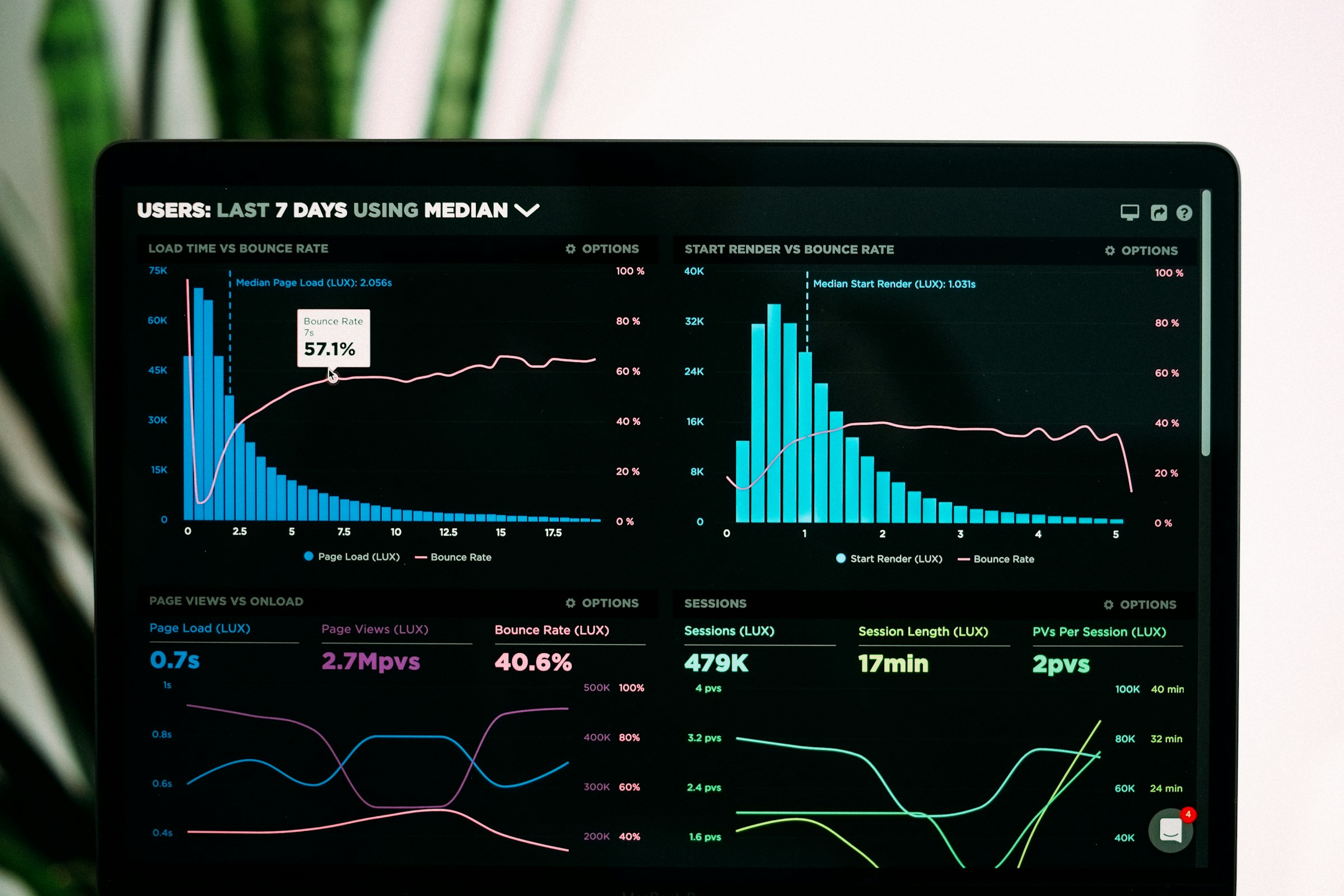
The Modern Data Paradox
Walk into any organization today—whether it's a Fortune 500 company, a mid-sized school district, or a city government office—and you'll hear the same refrain: "We're drowning in data." Servers full of transaction logs, databases bursting with customer records, dashboards upon dashboards showing real-time metrics. Yet when someone asks a simple question like "What's actually driving our increased costs?" or "Which programs are making the biggest impact?" the room goes quiet.
This is the modern data paradox. We've never had more information at our fingertips, yet making sense of it feels harder than ever. The promise of "data-driven decision making" has given way to a reality where most leaders feel less confident about their insights, not more. They're data-rich but insight-poor, and it's costing them dearly.
How We Got Here
The path to this predicament was paved with good intentions. Over the past decade, organizations invested heavily in data collection. Every interaction became trackable. Every process generated logs. Every department got its own analytics tool. The thinking was sound: more data means better decisions.
But something got lost in translation. Organizations became so focused on collecting and storing data that they forgot to plan for actually using it. It's like building a massive library but forgetting to hire librarians or create a card catalog. The information is there, somewhere, but good luck finding what you need when you need it.
The situation is compounded by the fact that different departments often operate in silos. Finance has their systems, operations has theirs, HR uses something else entirely. Each generates beautiful reports that tell part of the story, but nobody has the full picture. When the board asks why productivity is down, you get three different answers from three different datasets, and nobody's quite sure which one to trust.
The Real Cost of Insight Poverty
The impact goes far beyond frustrated executives. When organizations can't extract insights from their data, they're essentially flying blind. They make decisions based on gut feeling rather than evidence. They miss early warning signs of problems. They continue funding programs that aren't working while cutting ones that are, simply because they can't measure true impact.
Case Study: School District
They had detailed data on student performance, attendance, engagement metrics, and resource allocation. Yet when asked which interventions were actually helping struggling students, they couldn't answer with confidence. They were making million-dollar decisions about program funding based on anecdotes and assumptions. The data to make better decisions existed—it was just trapped in formats and systems that didn't talk to each other.
Case Study: City Government
Separate databases for permits, inspections, complaints, and violations meant each department could tell you their own metrics, but nobody could answer whether their new streamlined permitting process was actually reducing the time from application to approval. The mayor was touting the program's success based on permit volume, but complaint calls had actually increased—a correlation that went unnoticed because the data lived in different worlds.
Why Traditional Approaches Fall Short
Most organizations try to solve this problem by buying more technology. They invest in expensive business intelligence platforms, hire data analysts, create more dashboards. But without addressing the fundamental issues, these solutions just add more complexity to an already complex situation.
The traditional approach treats data as a technical problem when it's really an organizational one. It's not about having the right tools—it's about asking the right questions, creating the right connections, and building the right processes. You can have the most sophisticated analytics platform in the world, but if your data is scattered, inconsistent, and disconnected from actual business questions, you're still going to be insight-poor.
Another common mistake is focusing on real-time dashboards when what's really needed is historical analysis. Seeing that sales are down 5% this minute is less useful than understanding the factors that have driven sales changes over the past two years. Yet organizations often prioritize the flashy real-time display over the boring but essential work of cleaning and connecting historical data.
The Path Forward: From Data to Decisions
"The solution isn't to collect less data or to abandon analytics altogether. It's to be intentional about turning data into insights that drive decisions."
This requires a fundamental shift in how organizations think about their information assets.
Start with the decisions you need to make, then work backward to the data. What are the five most important questions your leadership team needs answered? Not "what data do we have?" but "what do we need to know?" This flip in perspective changes everything. Suddenly, you're not trying to find uses for your data; you're identifying which data actually matters.
Accept that perfect data doesn't exist. Organizations often delay analysis waiting for clean, complete datasets that never materialize. The reality is that 80% accuracy delivered this month is infinitely more valuable than 100% accuracy delivered never. Good organizations learn to make decisions with imperfect information while continuously improving their data quality.
Building an Insight-Driven Culture
The organizations that successfully transform from data-rich to insight-rich share common characteristics. They treat data as a shared asset rather than departmental property. They invest in people who can translate between technical capabilities and business needs. Most importantly, they create cultures where decisions are regularly questioned with "What does the data say?" and where "I don't know, but I can find out" is an acceptable answer.
This transformation doesn't happen overnight. It requires patience, investment, and often a willingness to confront uncomfortable truths that the data reveals. But the payoff is substantial. Organizations that successfully make this transition report better resource allocation, faster problem identification, and increased confidence in strategic decisions.
Manufacturing Client
Discovered their most profitable product line was actually losing money when true costs were allocated correctly.
Nonprofit Organization
Found their flagship program had minimal impact compared to a smaller, less visible initiative.
City Government
Identified that 60% of citizen complaints could be prevented by addressing issues in just three neighborhoods.
The Competitive Advantage of True Insights
In an era where every organization has access to the same technologies and similar data, the ability to extract meaningful insights becomes a true competitive advantage. It's not about having more data than your competitors—it's about understanding your data better than they understand theirs.
The organizations that thrive in the next decade won't be those with the biggest databases or the flashiest dashboards. They'll be the ones who can consistently turn information into understanding, understanding into decisions, and decisions into action. They'll be the ones who finally bridge the gap between being data-rich and insight-rich.
The first step is admitting that having data isn't the same as having answers. The second step is deciding to do something about it.